Wedding flowers for Harefield Hospital ceremonies
Posted on 26/09/2026
Planning Wedding flowers for Harefield Hospital ceremonies can feel a little different from arranging flowers for a standard venue. You may be working around visiting hours, sensitive spaces, short time windows, or the simple fact that the day means something deeply personal. Maybe it is a small ceremony, maybe it is a quiet celebration with close family only. Either way, the flowers need to feel calm, elegant, and completely appropriate.
That is where a thoughtful approach makes all the difference. The right bouquet, buttonhole, or table arrangement can soften a room, lift the mood, and make the occasion feel special without overwhelming it. In this guide, you will find practical advice on choosing, ordering, and delivering wedding flowers for a hospital ceremony in Harefield, plus some useful checks to help avoid last-minute stress. Truth be told, the details matter more than people expect.
If you are trying to balance beauty with practicality, you are in the right place. Let's make it simple.
Why Wedding flowers for Harefield Hospital ceremonies Matters
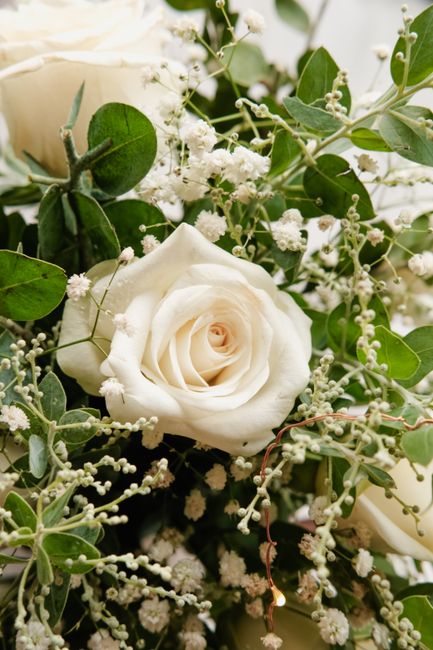
Flowers do more than decorate a room. For a hospital ceremony, they help define the tone. A wedding held at or near Harefield Hospital may be intimate, emotional, and tightly scheduled, so the floral design has to do a few jobs at once: look beautiful, travel well, arrive on time, and suit a setting where comfort and consideration matter.
That is why the style of the flowers, the size of the arrangements, and the delivery plan all matter. Big dramatic displays can be lovely in a large venue, but in a hospital setting they can feel awkward or simply impractical. Smaller, refined pieces often work better. Think soft bridal bouquets, neat buttonholes, modest table arrangements, and easy-to-carry stems that do not need constant fussing.
There is also an emotional layer. A wedding ceremony in a hospital may happen because of health circumstances, family needs, or timing that could not be shifted. In those moments, flowers are not just "nice to have". They help create a pocket of normality and joy. Even a single vase of fresh blooms can change how the space feels. You can almost sense the room settle.
In our experience, the most successful arrangements for this kind of occasion are the ones that quietly respect the environment. They look intentional, not overdone. They support the ceremony rather than compete with it.
How Wedding flowers for Harefield Hospital ceremonies Works
The process usually starts with the practicalities, not the petals. Before you choose colours or flower types, you need to know the ceremony time, the delivery access, who will receive the flowers, and whether the hospital has any rules around deliveries into specific wards or spaces. Hospitals tend to have clearer procedures than a traditional wedding venue, and that is perfectly normal.
Once those basics are sorted, the flower selection becomes much easier. A florist can then suggest designs that are suitable for the occasion and manageable for the setting. For example, compact bridal bouquets travel well and are easy to hold. Buttonholes are ideal for the groom and close family. If there is a small table for signing registers or refreshments, a low arrangement or a pair of coordinated posies often works nicely.
Many couples also choose a coordinated wedding collection so everything feels connected without needing to build the order piece by piece. If you want a broader wedding style range, you can browse the florist's wedding collection and then refine from there. If you already know you need the bride's bouquet, bridesmaid flowers, and buttonholes, it can be very efficient to work from the individual wedding ranges such as bridal bouquets, bridesmaid bouquets, buttonholes, and table arrangements.
A practical point worth saying out loud: timing matters more than people think. If flowers are arriving into a hospital, the delivery window may be tighter than for a hotel or registry office. That means you want freshness, clean presentation, and a delivery plan that does not rely on guesswork. Nobody wants a beautiful bouquet turning up after the ceremony has already begun. Bit of a mood killer, that.
Key Benefits and Practical Advantages
Good wedding flowers do more than look pretty in photographs. For a ceremony at Harefield Hospital, the benefits are especially practical.
- They create atmosphere quickly. A fresh bouquet or table arrangement can make a plain room feel warm and celebratory in minutes.
- They help the day feel intentional. Even small floral details show that care and thought went into the occasion.
- They work well in compact spaces. Hospital ceremonies often need modest, tidy arrangements rather than large venue decor.
- They can be coordinated without complexity. Matching bridal flowers, buttonholes, and bridesmaid bouquets keeps the look unified.
- They support photographs. Flowers add softness, colour, and a focal point in pictures that you will keep for years.
- They can be chosen for practicality. Some flowers last better through transport and waiting times than others, which matters on a busy day.
There is another advantage people sometimes overlook: flowers can help everyone else in the room feel more settled. Family members, hospital staff, and close friends usually notice when a ceremony has been planned with sensitivity. A calm arrangement says, quietly, "We thought about this." And that counts for a lot.
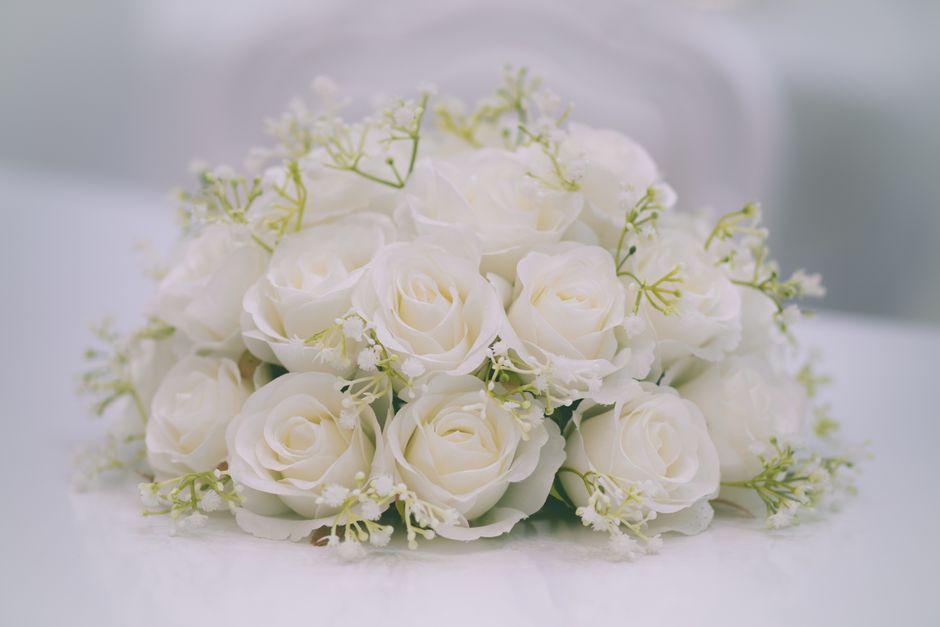
If you are working to a budget, the good news is that beauty does not automatically mean excess. A simple white bouquet with a few carefully chosen accents can feel far more elegant than a crowded display. It is not about how much you use; it is about how well it is put together.
Who This Is For and When It Makes Sense
This kind of flower planning makes sense for couples holding a ceremony inside Harefield Hospital, nearby accommodation, a private family room, or a small linked venue where hospital logistics shape the day. It is especially useful if the wedding is intimate, time-sensitive, or arranged around care needs.
It also suits people who value flowers that are meaningful but not overstated. If you are not planning a huge formal reception, you may not need towering centrepieces or elaborate installations. Instead, you may want a wedding bouquet, a few matching arrangements, and flowers that carry the right emotion without taking over the room.
Common situations include:
- an elopement or micro-wedding with only close family present
- a ceremony timed around a patient's care schedule
- a wedding with limited access or restricted setup time
- a simple signing ceremony followed by a quiet gathering
- an occasion where the couple wants flowers delivered directly and ready to use
If that sounds like your day, you are not alone. In fact, hospital weddings often benefit from tighter planning than bigger events because there is less room for improvisation. That is not a bad thing. It just means the choices need to be sharper.
Step-by-Step Guidance
1. Confirm the ceremony details first
Start with the date, exact time, delivery point, and the person who will receive the flowers. If the ceremony is taking place inside the hospital, ask how deliveries are normally handled. A small clarification early on can save a lot of chasing later.
2. Decide the floral priorities
For many hospital ceremonies, the essentials are the bridal bouquet, groom's buttonhole, and one or two additional pieces for bridesmaids or key family members. If you want the room to feel dressed without being crowded, a couple of low table arrangements may be enough.
3. Choose flowers that suit the setting
Soft whites, blush pinks, gentle purples, and mixed pastel palettes are popular because they feel calm and elegant. If you want bolder colour, keep it controlled so it still feels appropriate indoors. Roses, lilies, lisianthus, orchids, alstroemeria, and seasonal mixed flowers can all work, depending on the look you want and the time of year.
4. Check freshness and transport suitability
Some flowers are naturally better for travel and variable temperatures than others. Ask which blooms are likely to hold their shape throughout the delivery and ceremony. That question sounds simple, but it is one of the most useful ones you can ask.
5. Keep the design compact if space is tight
Hospital rooms and smaller ceremony spaces usually benefit from low, stable arrangements. You want flowers that can sit neatly on a table, windowsill, or side surface without needing constant adjustment.
6. Build in a small timing buffer
Try not to leave the delivery to the last possible minute. A modest buffer helps if there is a delay at reception or the ceremony starts slightly early. In a setting like this, calm is underrated.
7. Finalise the handover plan
Make sure someone knows who is accepting the flowers and where they should be placed. If the arrangements need to remain in a cool space for a short time before use, say so in advance. Clear instructions make everything smoother.
Expert Tips for Better Results
If you want the flowers to feel polished rather than simply present, a few details make a surprising difference.
- Choose one strong floral idea and repeat it. For example, a bridal bouquet, matching buttonhole, and table posy in the same palette will feel cohesive without looking overworked.
- Match scale to space. A tiny room and a giant bouquet do not always get along. Keep the arrangement proportionate.
- Go for sturdy stems where possible. Flowers with better vase life and firmer heads tend to cope better with a hospital-day timeline.
- Use scent carefully. Strong fragrance can be lovely, but in enclosed or shared spaces it may not suit everyone. Gentle is often safer.
- Ask for a florist's judgement. A good florist will suggest alternatives if your first choice is not ideal for timing or transport.
- Keep decorations easy to move. Lightweight arrangements are much easier to handle if the room needs to be reset quickly.
One small tip from real-world experience: a couple often focus on the bouquet and forget the photo moments. If you know there will be a small signing table or a quiet corner for pictures, a simple arrangement nearby can make the whole set-up feel more complete. Nothing fancy. Just enough.
And yes, if the groom's buttonhole is a bit understated in the final photos, nobody will care nearly as much as the person wearing it. That tends to be how these things go.
Common Mistakes to Avoid
Hospital wedding flower planning is straightforward once you know where people usually trip up. Here are the mistakes we see most often.
- Leaving delivery details vague. "Deliver to the hospital" is not specific enough. You need the exact point of contact and any timing instructions.
- Choosing oversized arrangements. Big displays can block movement, feel awkward in small spaces, or simply be hard to place.
- Ignoring the ceremony schedule. If the flowers arrive too early, they may need to be stored. Too late, and the pressure lands on everyone.
- Forgetting about photos. Flowers that look good in person but collapse in pictures are disappointing on the day.
- Overloading on scent. Strong perfume may not suit a hospital environment, especially if people are sensitive to fragrances.
- Assuming every flower lasts equally well. Some varieties are simply better choices for a short, important event.
There is also a quieter mistake: trying to make the flowers do too much. If the ceremony is already emotionally full, keep the floral styling calm. Let the day breathe a bit. It is often the better choice.
Tools, Resources and Recommendations
You do not need a giant planning system for this, but a few practical tools can keep everything on track.
- A written schedule. Keep the ceremony time, delivery time, and contact name in one place.
- A photo reference. Even a simple screenshot of the bouquet style you like helps a florist understand the mood you want.
- A colour plan. Note the main colour, a secondary accent, and any colours to avoid.
- A room-size reality check. If possible, think about the size of the room before choosing arrangement scale.
- A backup contact. Useful if the main person is in the ceremony, parking, or dealing with hospital reception.
For broader planning, you can explore a florist's about us page to understand the style of service, or review the delivery information if timing is critical. If you want reassurance about service standards, the guarantees page can also be helpful. For general flower care after the ceremony, the flower care guidance is worth a look too.
If the order is part of a larger gifting plan for family or guests, it can sometimes be useful to coordinate with other items from the same florist, though there is no need to overcomplicate it. Keep the focus on the day first. Everything else is secondary.
Law, Compliance, Standards, or Best Practice
While this topic is mostly about design and logistics, there are still a few good-practice points to keep in mind.
First, hospital sites generally have their own procedures for access, reception, and deliveries. Those procedures can differ from one department to another, so it is wise to check the local approach rather than assume. That is not legal complexity as such, just sensible planning.
Second, if the flowers are being delivered into a shared or clinical environment, consider fragrance sensitivity and space limitations. Best practice is usually to choose arrangements that are tidy, secure, and not disruptive. You do not need to overthink it, but you do need to be considerate.
Third, if any floral components are reused, moved between rooms, or placed where staff and guests walk past them, stability matters. Loose water, fragile containers, and unstable stands are not ideal. A simple low vase or compact hand-tied arrangement is often the safer option.
Finally, if you are ordering remotely, review the florist's terms and conditions, privacy policy, and returns and refund information so you understand how the order is handled if something changes. In a time-sensitive situation, that kind of clarity can be a relief.
Options, Methods, or Comparison Table
Different floral approaches suit different types of hospital ceremonies. Here is a simple comparison to help you choose what makes sense.
| Option | Best for | Advantages | Things to watch |
|---|---|---|---|
| Bridal bouquet only | Very small ceremonies or elopements | Simple, elegant, easy to manage | May feel too minimal if you want the room dressed |
| Bouquet plus buttonholes | Most intimate hospital weddings | Coordinated, tidy, practical for photos | Need to confirm exact numbers early |
| Full wedding set with table flowers | Small but styled ceremonies | More complete look, better visual balance | Requires more delivery planning and space |
| Florist's choice arrangement | When timing is tight or preferences are broad | Flexible, often excellent value, can suit the day well | Less control over exact blooms |
| Seasonal mixed flowers | Couples who want a natural, softer style | Fresh look, often good longevity, usually very photogenic | Colours may vary slightly by season |
If you want a more curated wedding approach, a collection such as the I Cherish You wedding collection or the Pure Romance wedding collection may provide a helpful starting point. For specific bridal styling, the I Cherish You bridal bouquet and matching bridesmaid bouquet offer a coordinated look, while pieces such as the white rose groom buttonhole or white orchid groom buttonhole can keep things refined.
For table styling, a compact centrepiece like the white lily, rose and orchid wedding centrepiece can work beautifully if the room allows it. Small, clean, elegant. That usually wins.
Case Study or Real-World Example
Here is a realistic example. A couple planning a late-morning ceremony at Harefield Hospital wanted something gentle and personal rather than formal. The bride wanted white and blush tones. The room was small, the schedule was tight, and the family would be arriving in stages, so there was no appetite for anything complicated.
The final plan was simple: a compact bridal bouquet, two matching buttonholes, and one low table arrangement for the signing area. The florist kept the palette soft, using blooms that could handle transport well and still look fresh during the ceremony. Nothing flashy. No giant pedestal display pretending to be a palace garden, thank goodness.
What made the arrangement work was the balance. The bouquet felt special in hand, the buttonholes tied the family together visually, and the table flowers gave the room a calm focal point. Afterwards, the couple said the flowers helped the room feel less clinical and more like their day. That is really the aim.
Another useful detail: the flowers were delivered with a clear named contact and a short window before the ceremony. Because that was sorted in advance, no one had to improvise at the last minute. In a hospital setting, that kind of smooth handover can make a world of difference.
Practical Checklist
Use this checklist before you place the order:
- Confirm the exact ceremony date and time
- Check the delivery point and contact name at Harefield Hospital
- Decide which flowers are essential: bouquet, buttonhole, bridesmaid flowers, table arrangement
- Choose a colour palette that suits the room and the mood
- Ask which flowers travel well and stay fresh through the ceremony
- Keep the design size appropriate to the space
- Ask about fragrance if the room will be shared or enclosed
- Confirm who will receive and place the flowers
- Allow a delivery buffer before the ceremony
- Save order details and contact information in one place
Expert summary: For Harefield Hospital ceremonies, the best wedding flowers are usually the ones that are elegant, compact, easy to deliver, and calm in style. If the flowers are beautiful and practical, you have done the job properly.
Conclusion
Wedding flowers for Harefield Hospital ceremonies are really about more than decoration. They are part of the atmosphere, part of the memory, and often part of making a difficult or unusual day feel steady and special. When the setting is a hospital, the best results usually come from clear planning, modest scale, and flowers that travel well.
Choose designs that feel personal, not overblown. Keep delivery instructions tight. Think about scent, size, and timing. And if you are unsure, lean on a florist's experience rather than trying to guess every detail yourself. That small bit of guidance can save a lot of stress. Honestly, it usually does.
If you are ready to move forward, start with the flowers that matter most to your ceremony and build from there. Calm choices tend to age well, and a thoughtful arrangement has a way of making a room feel kinder.
Get a free quote today and see how much you can save.
Sometimes the smallest floral gesture ends up carrying the biggest feeling. That is worth getting right.
Frequently Asked Questions
What flowers are best for a hospital wedding ceremony?
Compact, fresh, and easy-to-handle flowers usually work best. Roses, lisianthus, orchids, alstroemeria, and well-chosen seasonal mixed flowers are common because they look elegant and travel well. Soft colours often suit the setting too.
Can wedding flowers be delivered directly to Harefield Hospital?
In many cases, yes, but the delivery needs to be arranged carefully. You should confirm the exact delivery point, reception process, and the name of the person accepting the flowers before ordering.
How far in advance should I order wedding flowers for a hospital ceremony?
As early as possible, especially if the ceremony date is fixed around hospital arrangements. Early ordering gives you a better chance of securing the right flowers, style, and delivery timing.
Are small wedding flower arrangements better than large ones for hospital venues?
Usually, yes. Smaller arrangements are easier to place, less disruptive, and more suited to limited space. A neat bouquet with buttonholes and a low table arrangement is often enough.
What colours work well for Harefield Hospital wedding flowers?
Soft whites, blush tones, pale pinks, purples, and gentle mixed palettes are popular because they feel calm and refined. That said, a small amount of stronger colour can work if it is balanced well.
Can I have bridesmaid bouquets and buttonholes as well?
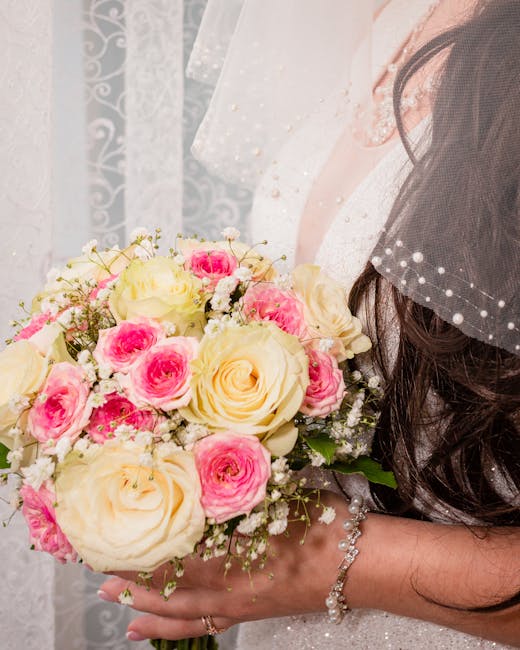
Absolutely. Bridesmaid bouquets and buttonholes are often a smart choice because they make the whole wedding feel coordinated without requiring a lot of extra space.
Should I choose scented flowers for a hospital ceremony?
Not too strongly. Light fragrance can be lovely, but in a hospital environment it is wise to avoid overpowering scents. If in doubt, go for a softer fragrance or ask for low-scent options.
What if the ceremony time changes at short notice?
That is one reason to build in a timing buffer and keep communication clear. If the time shifts, the florist and the hospital contact should be informed as soon as possible so the flowers can still arrive sensibly.
Can I use a florist's choice bouquet for this type of wedding?
Yes, and it can be a very practical option if you are happy to give some creative control to the florist. It is especially useful when the delivery window is tight or you want the florist to choose the freshest stems available.
What should I ask the florist before placing the order?
Ask which flowers are best for transport, what size arrangement suits the venue, how delivery to the hospital works, and whether they can coordinate the bouquet, buttonholes, and table flowers as one set. Those are the questions that really matter.
Do I need to keep the arrangements very simple?
Not necessarily, but simplicity often works well in a hospital setting. Simple does not mean plain. It means considered, tidy, and suitable for the space. Quite often, that looks more elegant anyway.
Is there a difference between wedding flowers and general flower delivery for a ceremony?
Yes. Wedding flowers are usually planned as a coordinated set with specific roles, such as bridal bouquets, buttonholes, and centrepieces. General flower delivery may be beautiful, but it is not always designed with ceremony logistics in mind.